
Who Runs Elections? Understanding the Constitutional Balance of Power
In the Fina Mendoza Mystery Let Kids Vote! Abuelita is a pollworker and Fina accompanies her on election day.
It was early, but there was a line of people standing outside the school auditorium.
"They are waiting to vote, Fina," said my grandmother.
She smiled at the people and walked inside. Half a dozen old ladies and college students were switching on voting machines and stacking forms.
"It's all so organized, Abuelita," I said.
My grandmother nodded. "Here, Fina, you can be in charge of handing out the stickers."
I stared at the page of red, white, and blue "I voted" stickers. Imagine. People all over America were voting today. "How did they know how many stickers to print?" I asked my grandmother. "Is there a printing press in the basement of the White House?"
Abuelita laughed. "No, no," she said. "Elections are up to counties and states, not the president."
Elections, Federalism, and the Balance of Power
The Constitution makes it clear: elections are up to the states.
Article I, Section 4, Clause 1:
The Times, Places and Manner of holding Elections for Senators and Representatives, shall be prescribed in each State by the Legislature thereof; but the Congress may at any time by Law make or alter such Regulations, except as to the Places of chusing Senators.
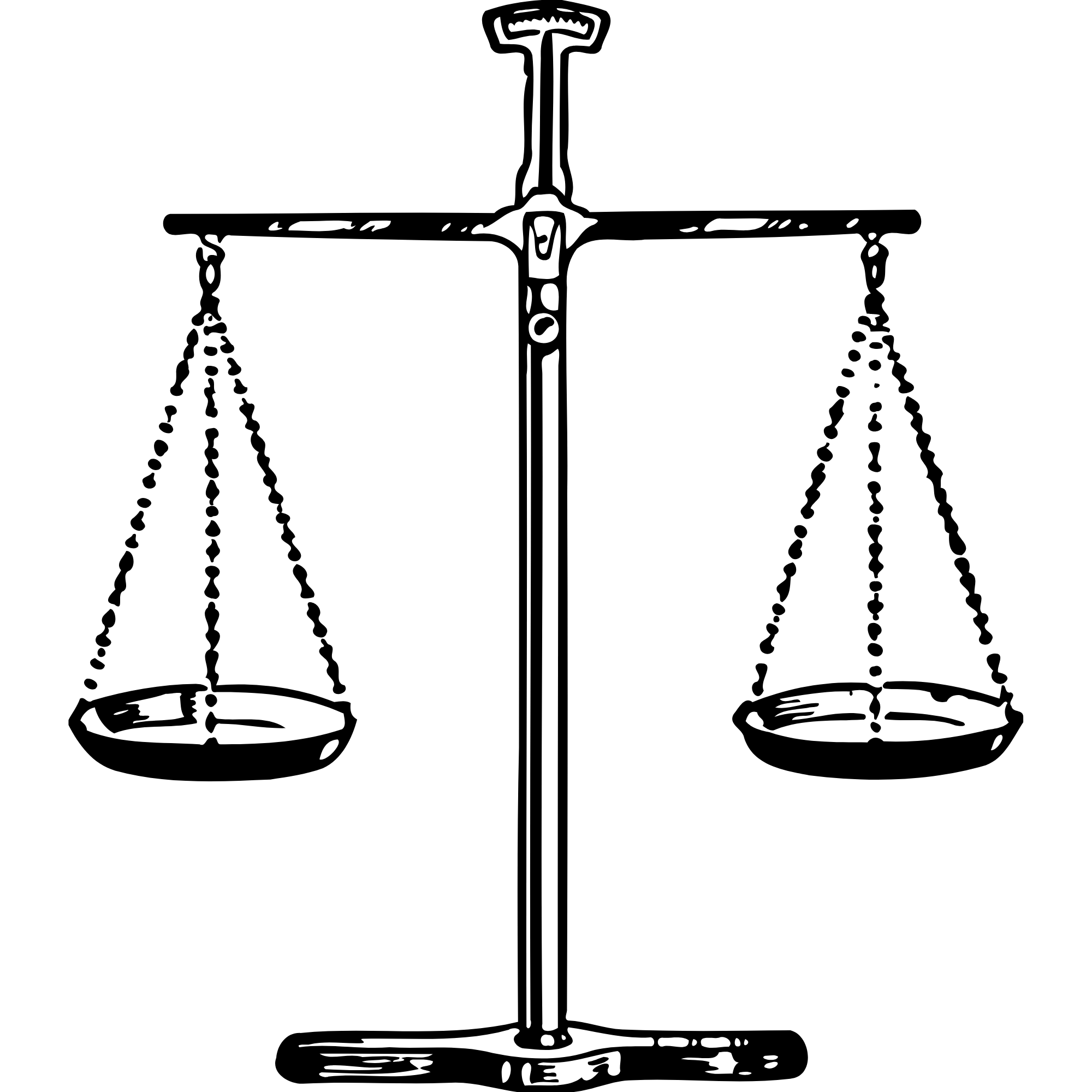
Balance of Power
The Founding Fathers were worried about America being once again ruled by a king. It's the reason they created a balance of power between the executive branch, the legislature, and the courts. They were also concerned about balancing federal power with that of individual states and put it in the Constitution that states control the "times, places, and manner" of congressional elections.
David Becker, executive director of the Center for Election Innovation and Research, says Congress can pass laws about voting, but the executive branch "plays literally zero role in setting election policy in the United States." Becker says decentralizing elections makes it harder to tamper with. It's like having "10,000 little elections all over the country, run by our neighbors and community members who know our communities best."
Congress and the Supreme Court Weigh In
That principle of local control of elections was reinforced in 1932 when the U.S. Supreme Court weighed in, telling states it was their job to decide how to conduct elections, supervise voting, prevent fraud, count votes, and publish election results.
Congress has expanded the federal role in elections over the past 60 years, mostly dealing with funding upgrades in voting technology and protection of voting rights.
In 1993, Congress passed the National Voter Registration Act that required states to designate a chief election official to oversee elections in the state, a post usually held by the secretary of state or lieutenant governor.

The Executive Branch
Last October, President Donald Trump issued an executive order that would require a passport or citizenship document to register to vote, but a federal court blocked the order, finding that the power to change election procedures belongs solely to Congress and the states.
Now, the administration is using a different tactic: repeating unfounded allegations of voter fraud.
In late January, the FBI searched an elections office in Georgia, looking for evidence that the 2020 election was stolen.
Then earlier this month, President Trump told a podcast audience that Republicans should “nationalize the voting” and challenged the GOP to "take over the voting."
There is a problem with that solution:
Article I, Section 4, Clause 1 of the U.S. Constitution.