
Voter Turnout
by Kitty Felde
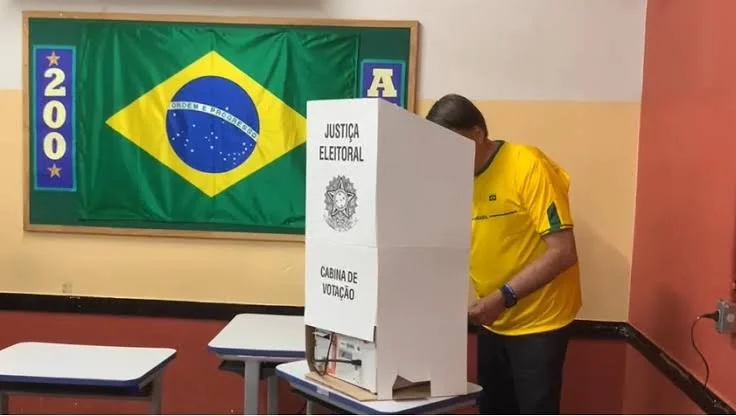
(photo courtesy of Brazil Reports) This past weekend, some of our Los Angeles neighbors were on their way to a local community hall to vote…for an election in Brazil.
Brazilians - even those living overseas - are required to vote. It’s in their Constitution. If you don’t cast a ballot, the consequences are severe: you can be fined, you won’t be able to get a passport, a government job, or a government loan.
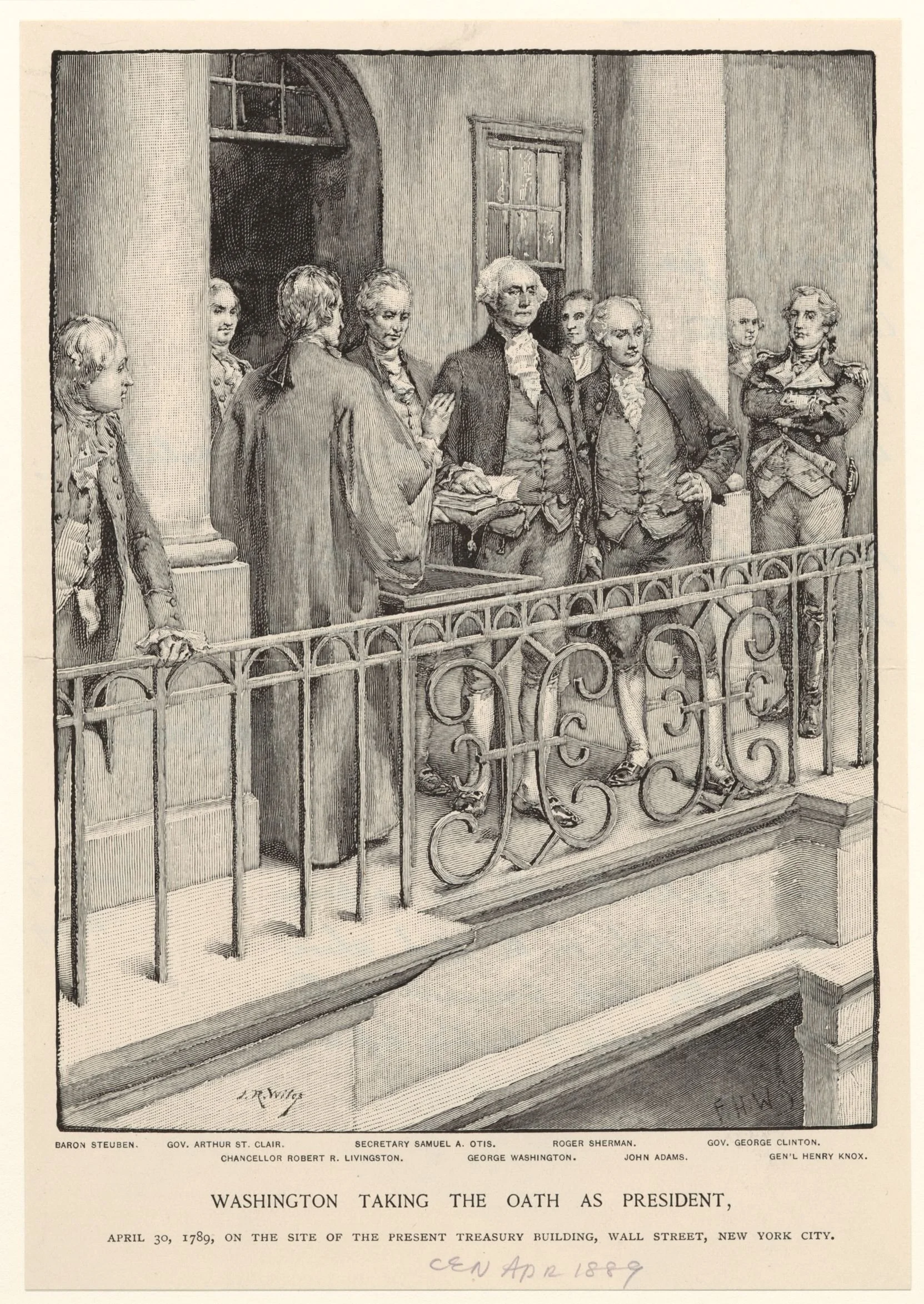
(image courtesy of New York Public Library)We like to think that things were better “in the good old days.” Not so. Low voter turnout was rampant in the early days of American democracy as well. In America’s first election, where George Washington was chosen as president of this new nation, only 7% of eligible voters (adult white men who owned land*) exercised their newly granted right to vote.
Perhaps it was a new concept. But voter turnout was even worse in the next presidential election, dropping to 6%.
According to the Mapping Early American Elections project, it was the rise of partisan politics that propelled voters to the polls. Partisan newspapers fueled the flames, presenting news that appealed to voters of a particular political party.
And then there are candidates that send voters to the polls.
Turnout surged to 57% in the 1828 election year that had Andrew Jackson on the ballot.
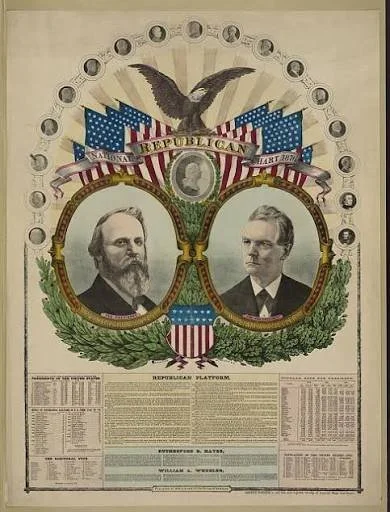
(image courtesy of Library of Congress)The years around the Civil War were also high turnout years in both presidential and midterm elections, but the biggest voter turnout was during the Gilded Age.
The 1876 election was as partisan as you can get, described as “one of the most hostile, controversial campaigns in American history.” Yet, the candidates on the ballot rarely come up when discussing past presidential races. An astounding 82.6% of eligible voters cast ballots.
Democrat Samuel Tilden won the popular vote and the electoral vote, but allegations of voter fraud were raised in the Republican states of Louisiana, Florida, and South Carolina. Eventually, a special congressional commission decided the race in favor of Republican Rutherford B. Hayes.
It’s highly unlikely that the November 3, 2026 election will see voter turnout anywhere near that of 1876. Fewer than one in four eligible voters cast ballots in this year’s primary.
Pundits are predicting a much better turnout next month, but fans of prediction markets are a bit gloomier. As of October 6th, Polymarket shows the most money has been bet on a 30% turnout.
If you want to see a spreadsheet of voter turnout over the years, click here.
*White women weren’t allowed to vote in national elections until 1920. Nearly half - 49% of eligible voters turned out in that election. In the early days of America, single women who owned property were allowed to vote in local elections in New Jersey until 1807.