
Before the Big Board, There Was the Bar Tab
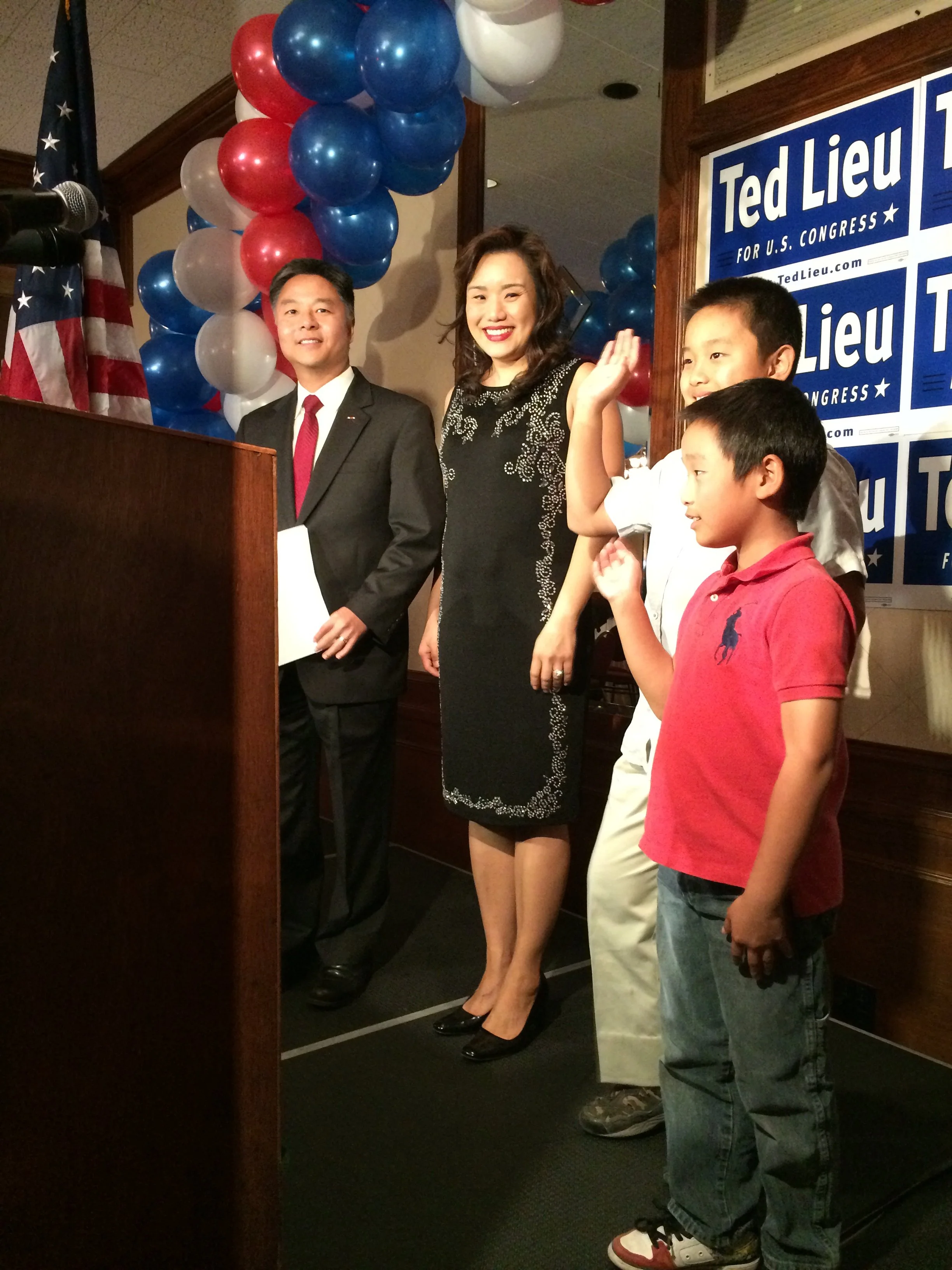
(Election night for Rep, Ted Lieu and family - photo courtesy of Kitty Felde)When I was little, I used to like election night because of the balloons. We’d be in some union hall with slippery floors that were fun to slide on in my church shoes. On the stage, there would be an archway of balloons or a tower of balloons or at least, balloons all around the podium where Papa would give a speech. When he was done, Gabby and I got to pop them. At least until Mama told us to stop.
Home of the Brave - Book 4 in The Fina Mendoza Mysteries
Balloons and speeches are one election night tradition. So is Steve Karnacki, the data-driven TV journalist pointing to his iconic “Big Board” showing us the returns every national election night.
When I was a journalist, election night meant spending long hours at fancy hotel ballrooms, going live at the top of the hour, spending the rest of the evening trying to get a quote from some politico that would stand up until the results would come in. There was often food at GOP gatherings; Democrats rarely fed the reporters. But still, it felt like a party.
Not like the parties of previous election nights!
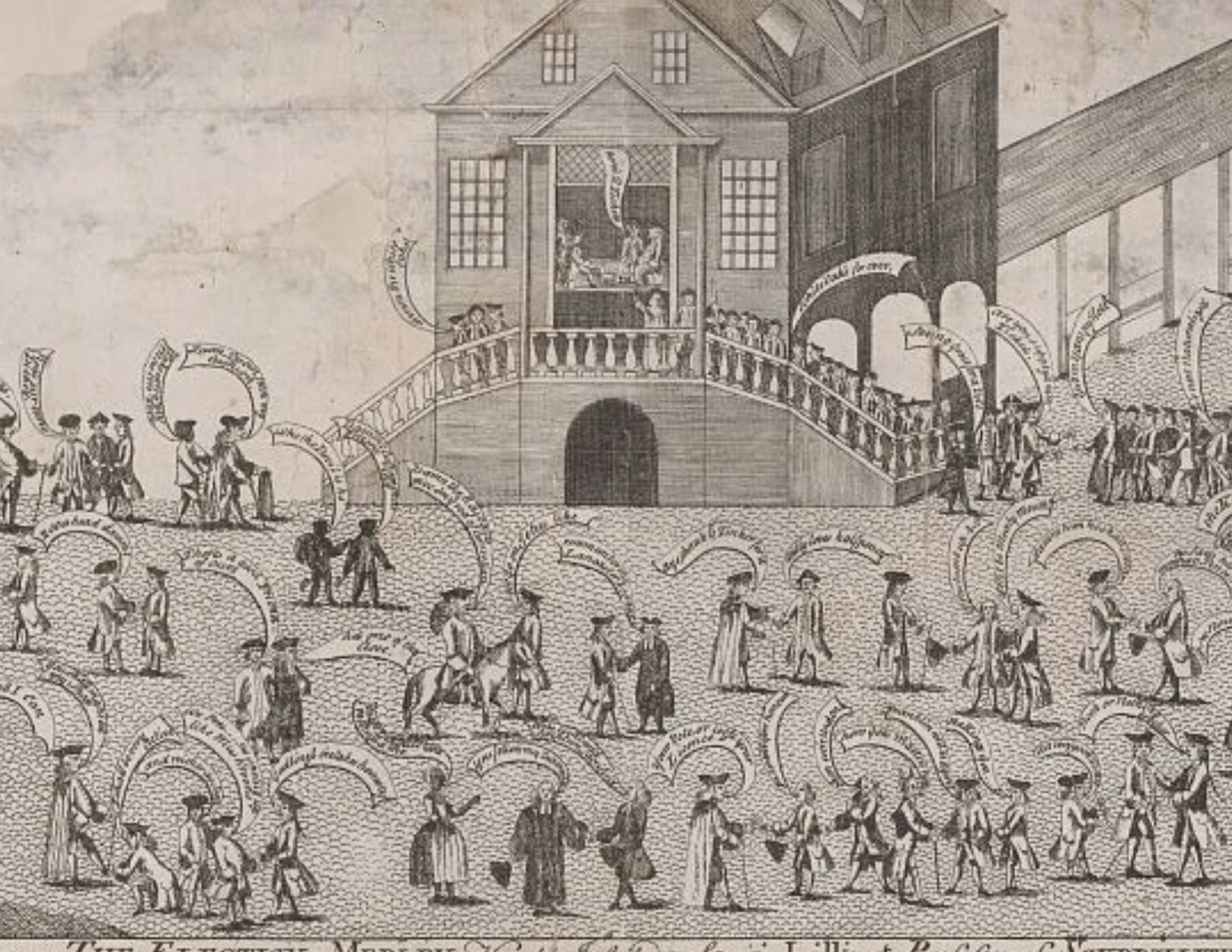
(Election Day, 1764 - image courtesy of Library of Congress)Even before the United States became a nation, election parties were a vital part of the democratic process. Sort of. The parties started long before the votes were cast. Instead of ballrooms, candidates would rent taverns and provide plenty of booze to tempt would-be voters.
And even though the only people allowed to cast a ballot were landowning males, entire families would travel to town to join in the fun - especially since candidates provided free transportation.
The party continued after the votes were tallied, with the winner of a particular office expected to pick up the bar tab and provide the food.
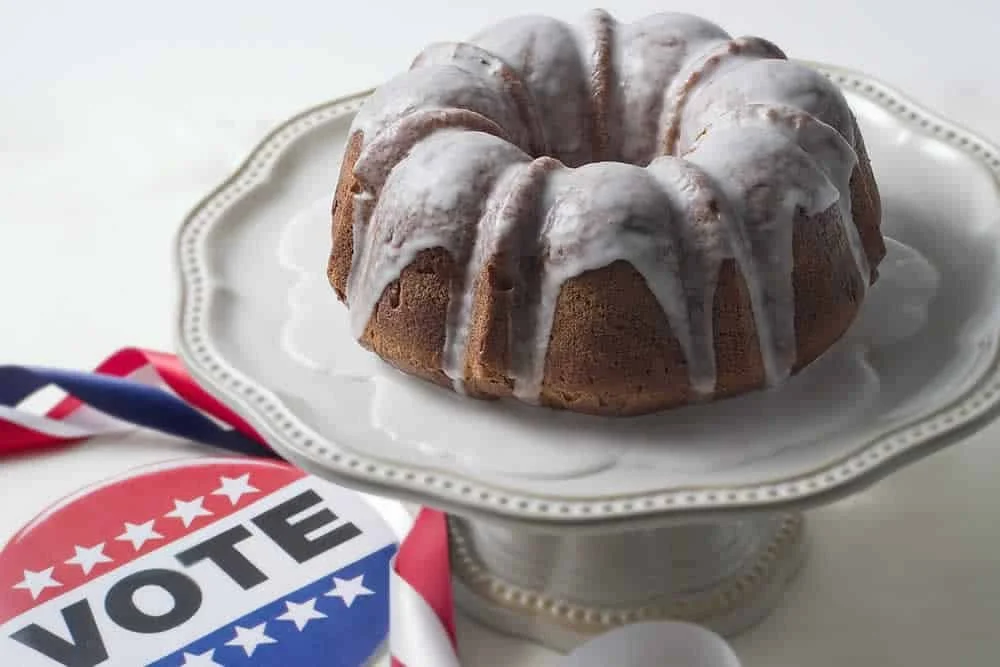
Speaking of food, there is another election day tradition that dates back to at least 1771: Election Day Cake. This fruitcake was generally baked at home and eaten on the road as voters headed to the polls. Women in some towns along the way were tasked with baking Election Day Cakes - some of them weighing up to ten pounds! (If you want to bake your own Election Day Cake, here’s the recipe, courtesy of the Culinary Institute of America.
(image courtesy of the Culinary Institute of America)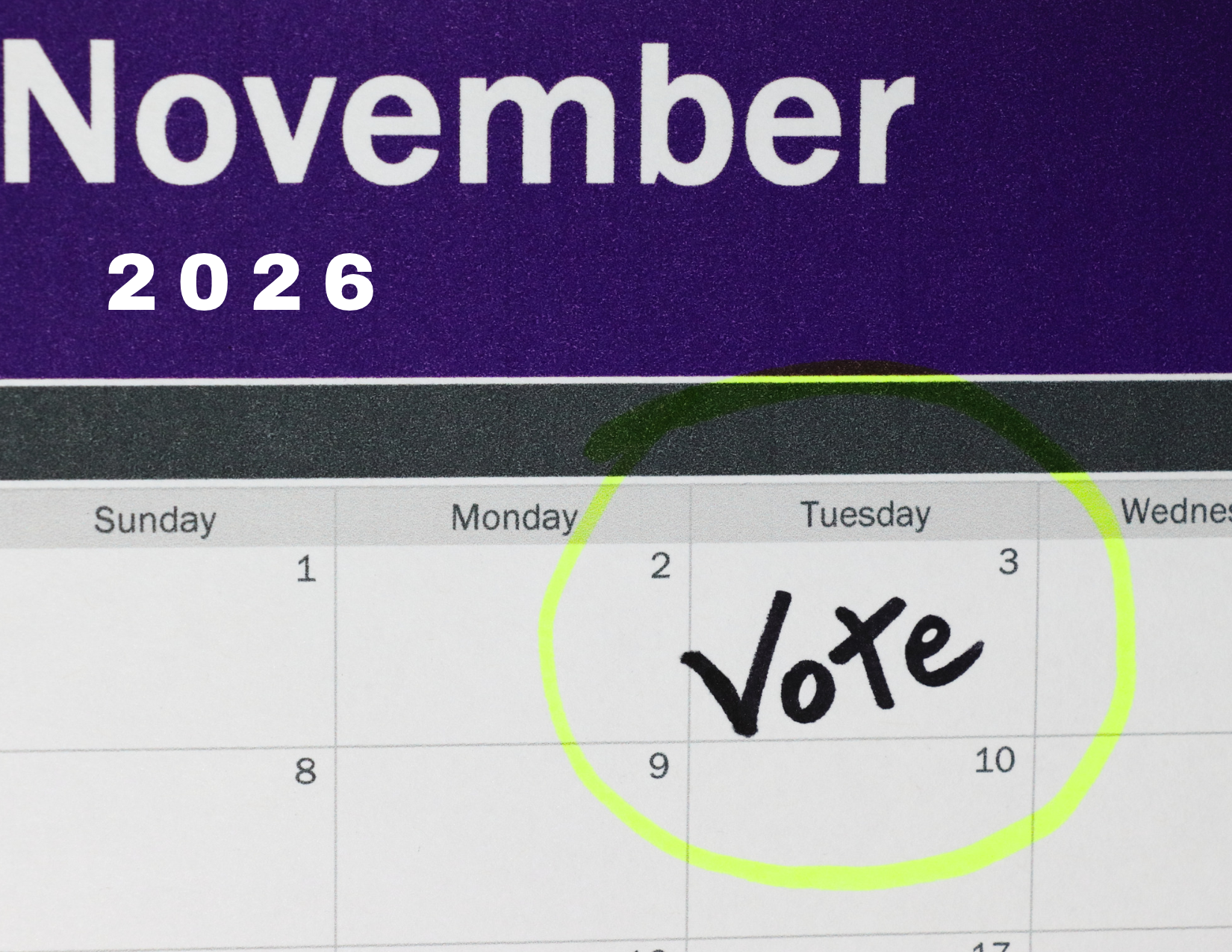
In case you were wondering why we vote on a Tuesday in early November, you can blame farmers. Their crops were in by November.
And you can also blame bookkeeping for the choice of an election day early in the month. Shopkeepers tallied up their financial numbers at the end of the month.
But why a Tuesday? Well, Sunday was reserved for church and Wednesday was market day. They could travel on Monday to the polling place, cast their vote, perhaps sober up from the festivities and free booze, and stumble back to their farm to prepare for market day.
The Pew Research Center found that 27 of the 36 member countries of the Organization for Economic Cooperation and Development hold their national elections on weekends. In Israel and South Korea, election days fall on a weekday, but those days are national holidays.
There have been several attempts to move America’s elections to a weekend, but so far, none have succeeded - despite rare bipartisan support for either moving election day to a weekend or making it a holiday. Thirteen states have made election day a paid holiday - at least for state employees.
But in most states, voting is not restricted to one single day. Early voting and vote by mail mean that you can choose your election day - and celebrate election night any way you choose.